
Innovative Ideas for Rural Housing
Rural Housing Toolkit Modules
- Module 1: Rural Housing is a Pillar of Wisconsin’s Economic Growth
- Module 2: Building Support for Rural Housing Solutions
- Module 3: Financing: Unlocking Resources for Rural Housing
- Module 4: Working with Developers
- Module 5: Community-Based Ownership Models
- Module 6: Innovative Ideas for Rural Housing
- Module 7: Who’s Who of Rural Housing in Wisconsin
- Module 8: Definitions
Rural communities face distinct housing challenges and solving them takes creativity. Approaches like creative zoning, Tribal housing, and Accessory Dwelling Units (ADUs) offer flexible, locally driven solutions that break through traditional barriers. These models help preserve affordability, empower residents, and adapt to changing needs.
Webinar: Innovative Solutions for Rural Housing — Success Stories and Strategies
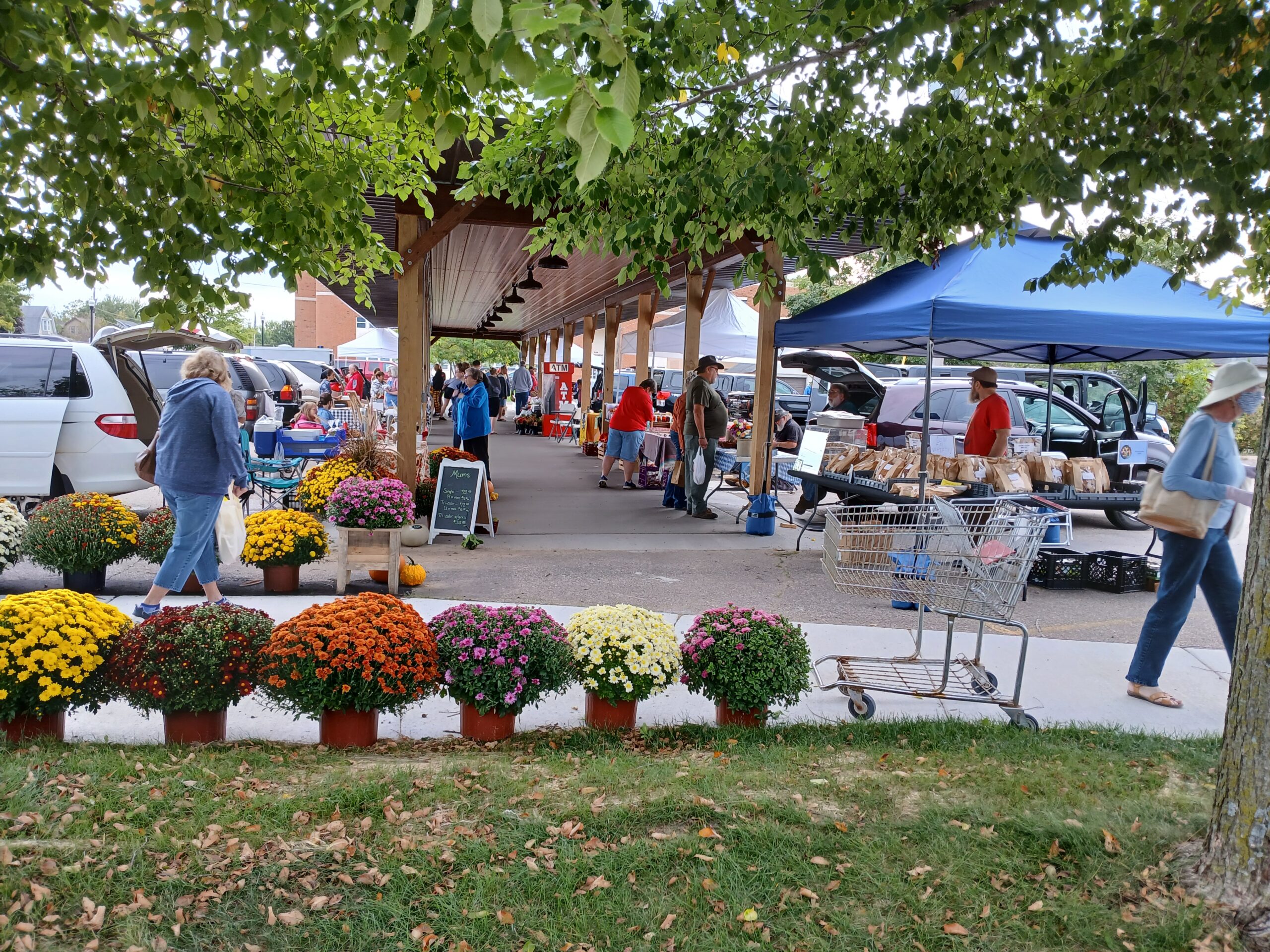
Hosted by the Office of Rural Prosperity, this June 2025 webinar highlights how rural Wisconsin communities are turning bold ideas into real housing solutions. Through three case studies–Ladysmith’s repurposed school for workforce housing, Campbellsport’s “missing middle” strategy, and Cornucopia’s senior housing initiative—local leaders share how inclusive planning, creative financing, and strong partnerships are driving progress. The session offers practical strategies for expanding housing in rural areas. Watch the webinar here
Creative zoning
Creative zoning is a powerful tool for unlocking housing potential in rural Wisconsin. Traditional zoning often restricts flexibility, making it harder to meet the evolving needs of small communities. By embracing adaptive approaches such as mixed-use overlays, tiny-home ordinances, agrihood models, and zero lot line developments, local governments can foster more inclusive, affordable, and resilient housing options.
Historically, rural zoning focused on preserving farmland and limiting density, but this can unintentionally block housing diversity. Today, counties and towns are exploring modern tools like Accessory Dwelling Units (ADUs), cluster zoning, and density bonuses to support workforce and senior housing while maintaining rural character. Statewide efforts, including the Badger State Housing Alliance’s More Housing Wisconsin campaign, offer education and technical assistance to help communities update their ordinances and promote sustainable growth.
For more insights, check out the Wisconsin Policy Forum’s Building Blocks summary
Success Story: Strategic Growth Messaging for the Village of Campbellsport
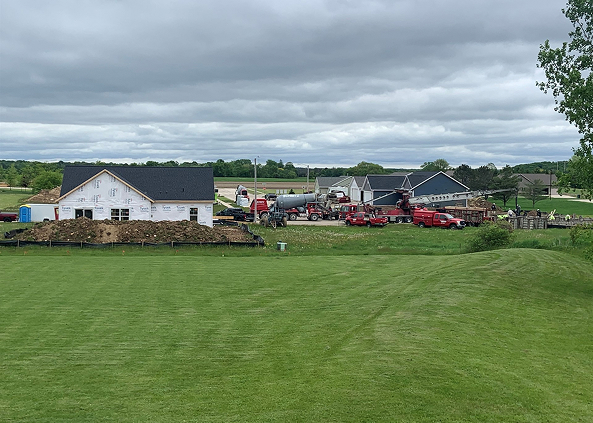
Campbellsport , a village of about 1,950 residents in Fond du Lac County, exemplifies how small communities can lead innovative housing reform. Located in the scenic Northern Kettle Moraine region and accessible via State Highway 67, Campbellsport offers a blend of rural charm and regional connectivity.
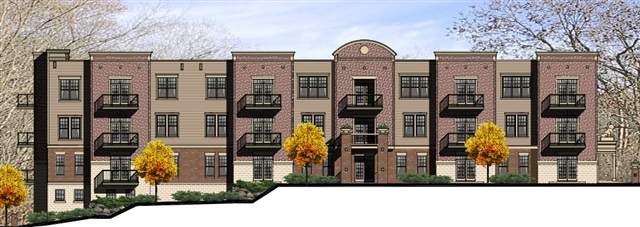
The village has adopted progressive zoning strategies, including overlay districts and side-by-side housing with zero lot lines, to expand housing options and meet evolving community needs. Success depended on drafting housing-friendly ordinances and building public support, demonstrating how local leadership and civic engagement can drive meaningful change. Campbellsport’s approach provides a replicable model for other rural communities seeking to modernize land use policies and promote housing diversity. To learn more about Campbellsport, click here
“When presenting development initiatives, we highlight how each project balances affordability with Campbellsport’s long-term appeal to new residents. By expanding our budget through net new construction, while keeping tax levies flat, we leverage increased property assessments to unlock new debt capacity without shifting the financial burden onto existing residents.
Each development strengthens the Village’s tax base, enabling us to fund infrastructure improvements and community amenities without raising costs. New utility users also help distribute service expenses more evenly, keeping rates stable. This growth strategy allows us to invest responsibly in roadways, parks, and other quality-of-life features that residents value and elected officials hear about most. Together, these efforts position Campbellsport as an attractive, affordable, and welcoming place to live—for both current residents and those we hope to welcome in the future.”
Charlie Kudy, former Campbellsport village administrator
Current trends in rural housing
Rural housing solutions aren’t one size fits all. The best models fit the land, the people, and the local economy. Accessory Dwelling Units (ADUs), modular homes, and adaptive reuse projects are popular considerations for rural housing projects. They often provide more affordable options for housing development, bring new life to underutilized properties, and unlock specialized resources. This section explores current trends in rural housing innovation.
Accessory Dwelling Units (ADUs)
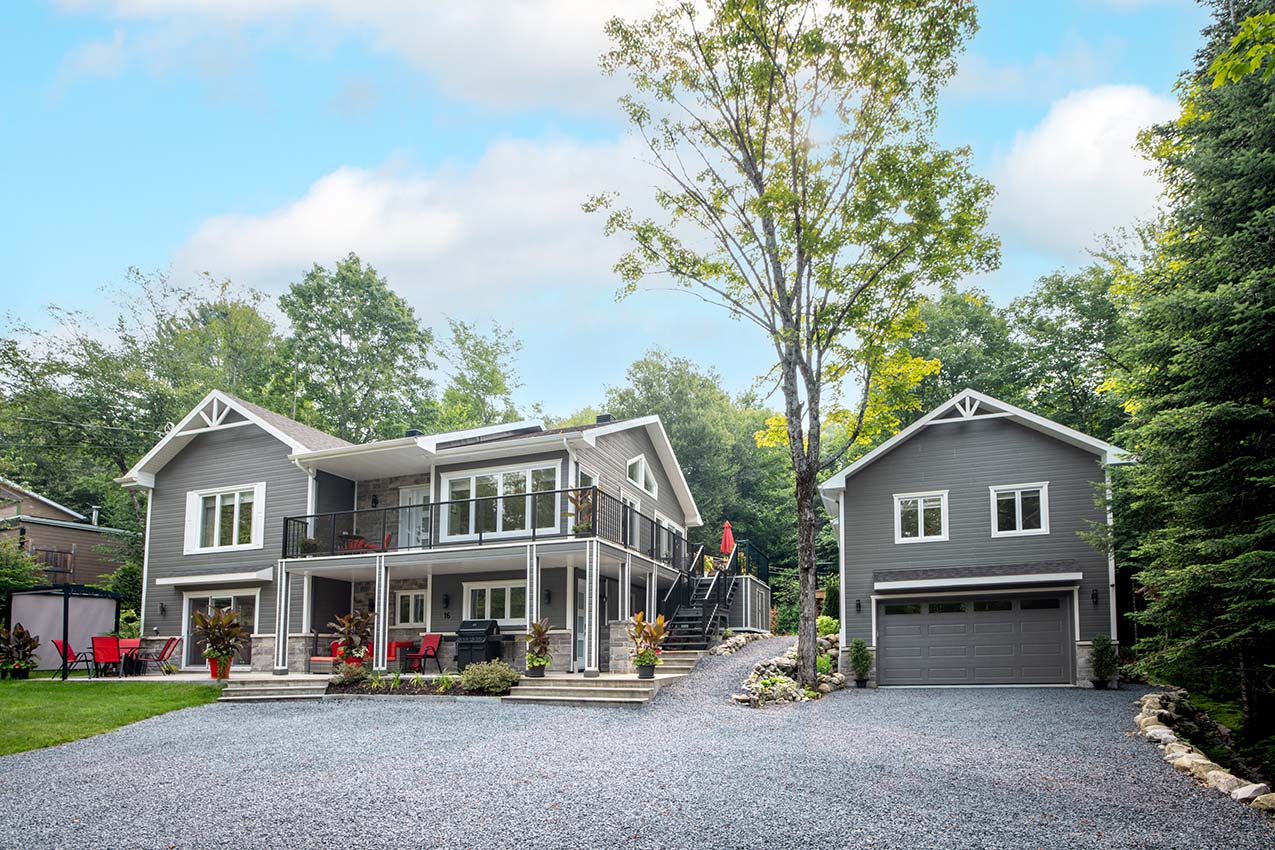
Accessory Dwelling Units (ADUs) are small, self-contained housing units located on the same lot as a primary residence. Sometimes referred to as in-law suites, backyard cottages, or garage apartments, ADUs offer flexible living spaces that can serve a variety of needs. Rural communities facing housing shortages, aging populations, or economic constraints can turn to ADUs to provide an affordable and efficient solution. They can help families stay together, generate rental income, and make better use of existing infrastructure.
Sample zoning language: Accessory Dwelling Unit (land use): An accessory dwelling unit is a dwelling unit established in conjunction with and clearly subordinate to the principal dwelling unit. An accessory dwelling unit may contain a separate kitchen, dining area, bathroom, living area, sleeping area, laundry facilities, attached garage and recreation areas, including exterior porches, patios, decks, and parking areas. The primary difference between an “in-unit suite” and an “accessory dwelling unit” is that an “in-unit suite” must be physically connected to the principal dwelling unit while an “accessory dwelling unit” shall be a stand-alone structure. Each of the two uses is subject to different performance standards.”
Cottage development
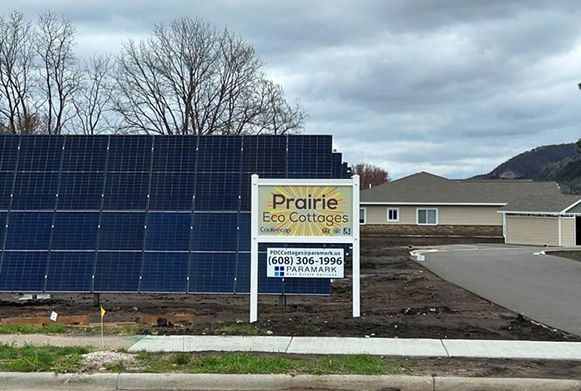
Cottage court housing fills the “missing middle” gap between single-family homes and dense apartments. For rural communities, it offers a smart, affordable way to house residents of all ages and incomes. Also known as pocket neighborhoods, cottage courts cluster small homes around shared green space. They blend walkability, community, and modest footprints—boosting density without sacrificing character. With flexible design and lower costs, they’re ideal for first-time buyers, seniors, and working families. All it takes is creative zoning and a commitment to livable design.
Rural Wisconsin successful cottage court projects
Several projects and initiatives in Wisconsin demonstrate the potential for successful cottage court housing in rural areas:
- Trailview Cottages (Hayward): This project, supported by Northwood Technical College and IMPACT Seven, focuses on increasing access to affordable housing for the local workforce. Trailview Cottages will feature one-, two-, and three-bedroom cottage-style homes with attached garages and patios, aiming to improve employee retention and foster economic growth in the region.
- Maple Wood Cottages (St. Croix Falls): This project, funded by a Housing Opportunity and Mobile Education Solutions (HOMES) Workforce Innovation Grant, addresses both the need for workforce housing and the advanced manufacturing skills gap in the region.
Tiny homes: Small footprint, big potential
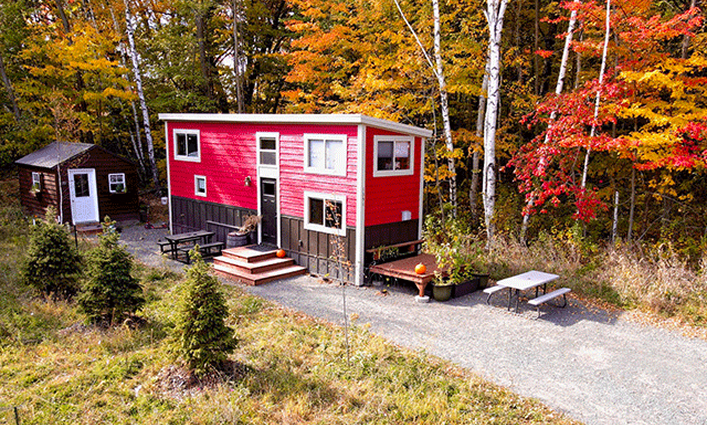
Tiny homes, typically less than 400 square feet, offer a smart, sustainable solution for rural housing needs. Their compact, multifunctional design makes them ideal for individuals, seniors, or small households seeking affordability without sacrificing comfort. With low construction costs, minimal land use, and energy efficiency, tiny homes can be deployed quickly and flexibly, whether as standalone units, clustered communities, or additions to existing properties. For rural areas facing housing shortages or infrastructure constraints, tiny homes provide a scalable, creative option that supports both independence and community resilience.
Resource: Tiny Home Regulations in Wisconsin — The Complete Guide
This guide from Zook Cabins outlines key zoning, building code, and permitting requirements for tiny homes across Wisconsin. It helps prospective builders and homeowners understand where tiny homes are allowed, how they’re classified, and what steps are needed to ensure compliance with local regulations.
Case Study: Tiny Timbers — Big vision in St. Croix Falls
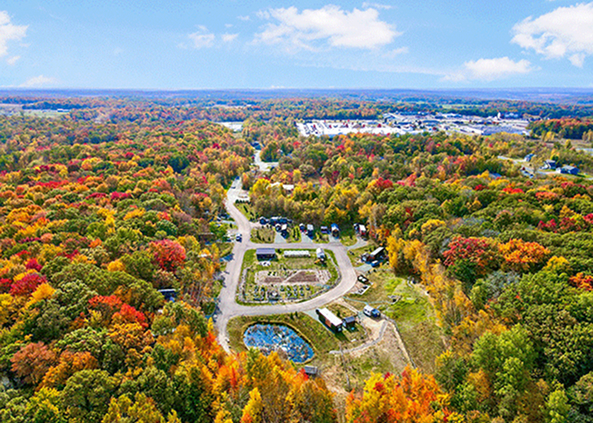
In St. Croix Falls, a visionary couple turned a dream into reality: a year-round tiny home community rooted in sustainability and connection. Melissa and Shane Jones led the charge, transforming 140 acres of prairie into Tiny Timbers Agrihood, a neighborhood of 16 compact homes surrounded by gardens, shared amenities, and natural beauty. Faced with zoning hurdles and environmental challenges, the Joneses worked with city officials to reimagine rural development standards. Their persistence paid off. By mid-2023, every site was filled with residents ranging from teachers and therapists to families and retirees. Each home, less than 400 square feet, is linked to city utilities and nestled around a central gathering space featuring a greenhouse, chicken coop, outdoor kitchen, and beehives.
Read more about Tiny Timbers on the Office of Rural Prosperity website.
Modular and manufactured homes
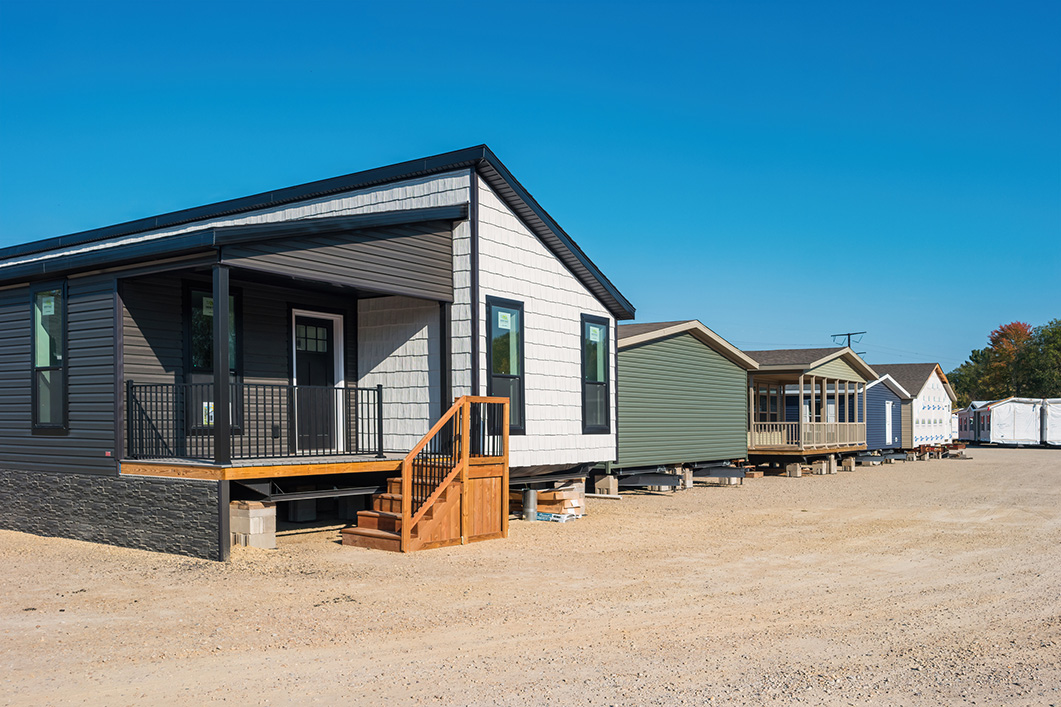
Modular and manufactured homes offer fast, affordable housing solutions for rural communities facing shortages. Though often lumped together, modular homes follow local building codes and are assembled on site, while manufactured homes are built entirely in factories under federal Department of Housing and Urban Development (HUD) standards. Both types reduce costs and construction time, making them ideal where labor and materials are limited. Their flexibility and durability make them powerful tools for boosting housing supply and community resilience.
Success Story: Modular homes bring affordable housing to La Crosse
Modular homes can cost up to 30% less than traditional buildings, offering a practical path to homeownership. Habitat for Humanity of the Greater La Crosse Region is licensed as a manufactured and modular dealer in Wisconsin. This designation allows the organization to buy homes directly from the factory, avoiding third-party markups and reducing overall costs. Modular homes are constructed in a factory, then shipped in sections to their final site, where they are assembled and thoroughly inspected.
In October 2024, Habitat completed its first two modular homes on the Coulee Community Land Trust to ensure they remain permanently affordable, while still allowing families to build equity. To source these homes, Habitat partnered with a regional commercial dealer to acquire ENERGY STAR-certified modular units designed specifically for the cold, wet climate of the Midwest. Each home meets the same local and state building codes as traditional houses, ensuring both safety and long-term durability.
Learn more about modular housing and how you can support affordable housing in your community
Spotlight
Southwest Wisconsin Infill Solutions to Housing (SWISH)
Southwest Wisconsin Infill Solutions to Housing (SWISH) is a partnership designed to support workforce housing development, property tax growth, and homeownership throughout Southwest Wisconsin. The project will install modular housing on vacant lots within municipal boundaries that are already being served by municipal utilities. The partners, Southwestern Wisconsin Community Action Program (SWCAP) and Southwestern Wisconsin Regional Planning Commission (SWWRPC), will install and sell the homes for between $175,000 and $200,000 to meet the region’s workforce housing demand. For the proof-of-concept project, SWCAP will finance both the home and the contractor while a WEDC Capacity Building Grant will support staff time to develop and execute the program.
Goals:
- Partner with Skyline Homes, a local modular housing manufacturer, to increase homeownership across Southwest Wisconsin, specifically among families and the workforce-age population
- Provide an affordable pathway to wealth creation and equity among younger population
- Offset the region’s aging and declining population in ways that will contribute to school enrollment, increase property taxes, and increase the availability of volunteers for vital services such as fire and emergency medical services (EMS)
- Use existing vacant lots to reduce upfront capital expenditures and provide a return on historic capital investments through additional property taxes and utility fees at no additional infrastructure cost to the municipality
- Provide turnkey housing development in three to four months per home
Adaptive reuse: Breathing new life into old spaces
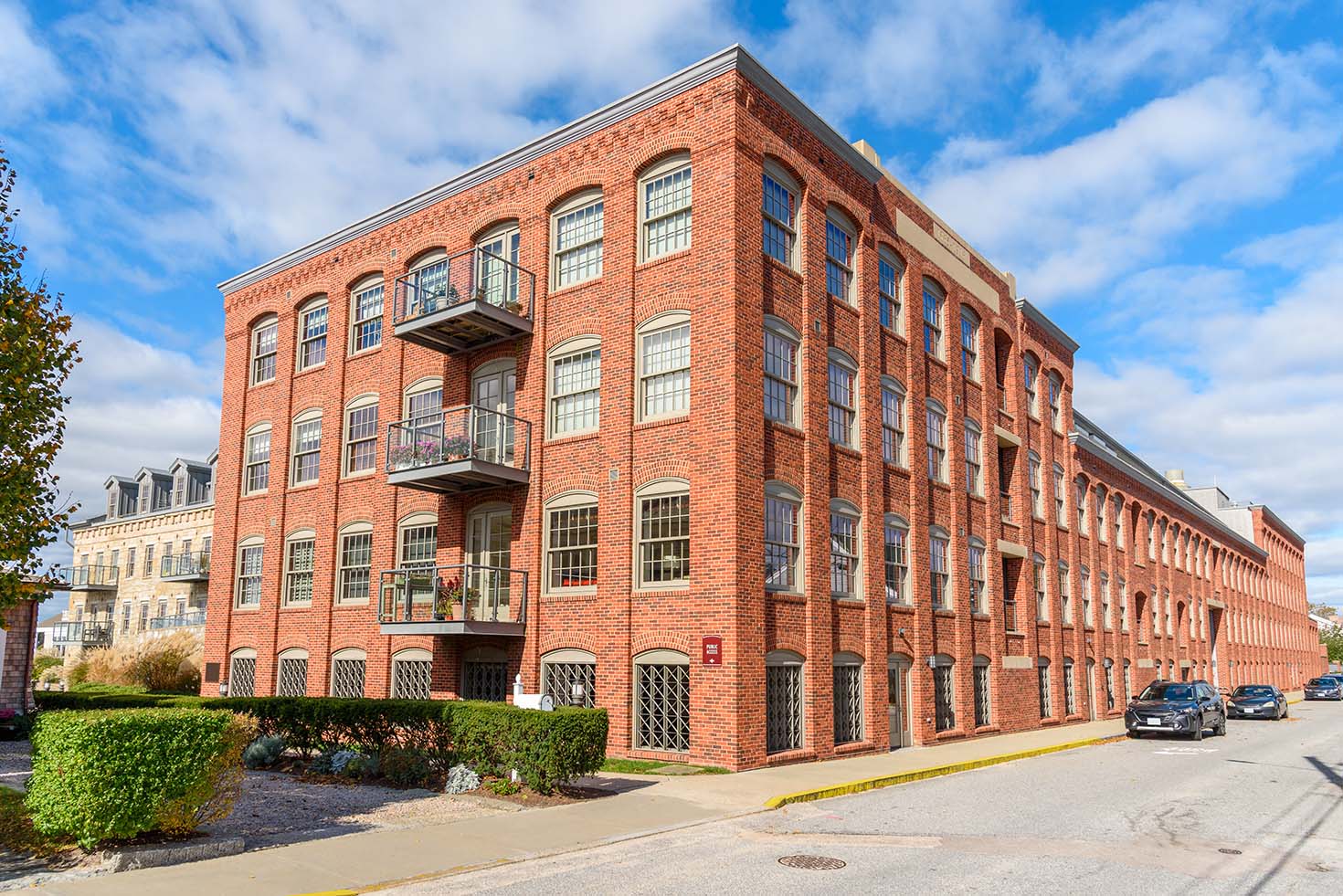
Adaptive reuse transforms existing buildings–such as schools, churches, motels, or warehouses–into functional housing, offering a sustainable and cost-effective alternative to new construction. In rural areas where vacant or underused structures are common, this approach can preserve local character while meeting urgent housing needs. By repurposing what already exists, communities can reduce waste, lower development costs, and accelerate project timelines—all while honoring the history and identity of the place.
Case Study: Housing Hope in the Northwoods at Rhinelander Rodeway Inn
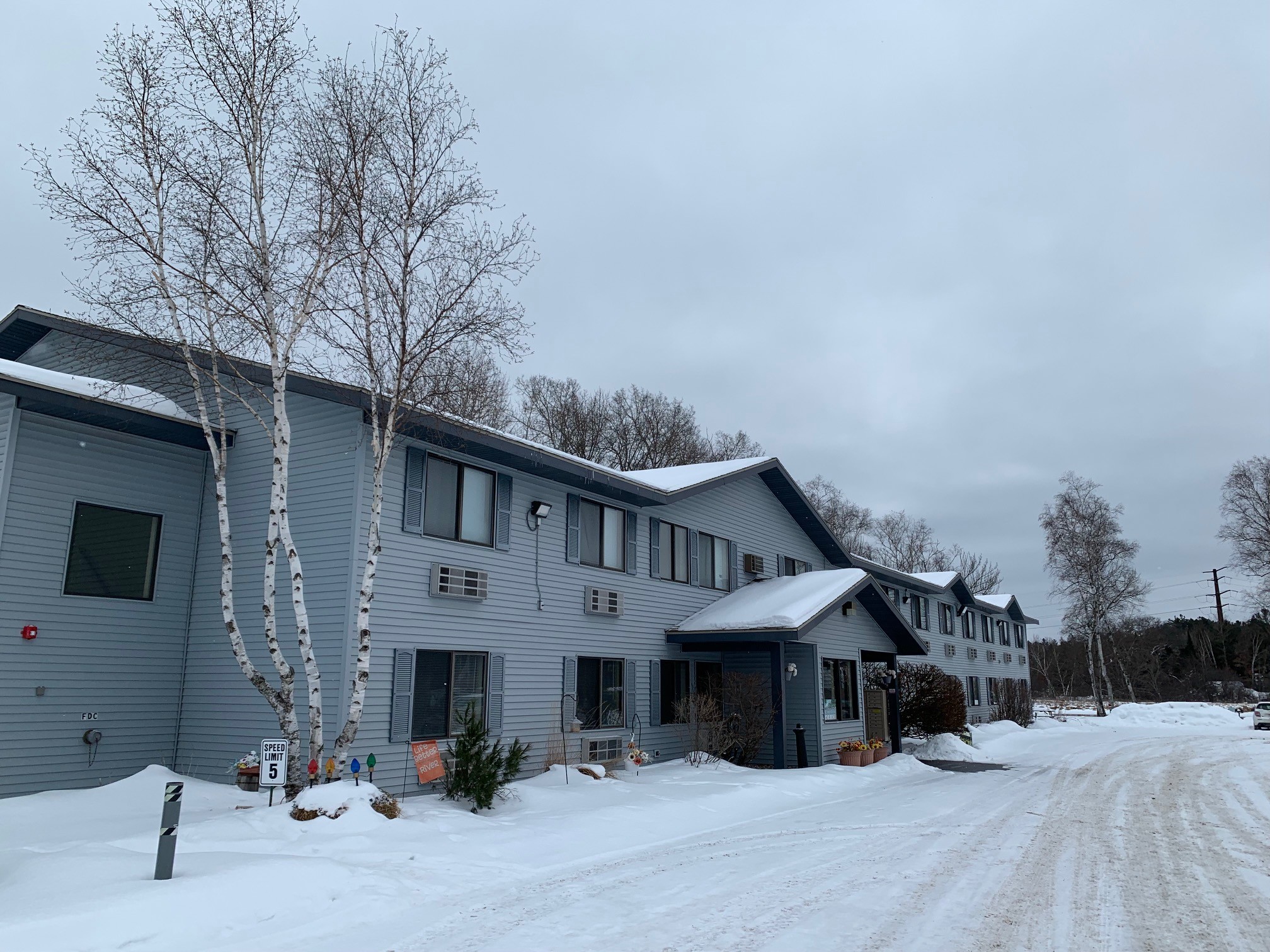
In the heart of Rhinelander, a shuttered motel was reborn as a lifeline for the community. With a $228,000 Community Development Investment (CDI) Grant from WEDC, developers Tim and Theresa Jewell are transforming the former Rodeway Inn into 31 affordable apartments for veterans, seniors on fixed incomes, and seasonal workers–groups often left out of traditional housing markets. The project includes upgraded fire safety systems, new kitchens, and even space for small businesses, all designed to meet urgent local needs.


