
Building Support for Rural Housing Solutions
Rural Housing Toolkit Modules
- Module 1: Rural Housing is a Pillar of Wisconsin’s Economic Growth
- Module 2: Building Support for Rural Housing Solutions
- Module 3: Financing: Unlocking Resources for Rural Housing
- Module 4: Working with Developers
- Module 5: Community-Based Ownership Models
- Module 6: Innovative Ideas for Rural Housing
- Module 7: Who’s Who of Rural Housing in Wisconsin
- Module 8: Definitions
Strong housing solutions start with strong communities, and strong communities are built on trust, collaboration, and shared vision. This work requires listening deeply, engaging creatively, and leading with shared purpose. Whether you are working with local governments, nonprofits, residents, or regional partners, the path forward begins with relationships and with a shared commitment to making rural communities places where everyone can thrive.

Building community support
Community support is the foundation of any successful rural housing initiative. When residents feel heard, informed, and involved, they’re more likely to champion projects and help overcome resistance. Building trust starts with transparent communication, inclusive engagement, and shared visioning. Whether you’re proposing new housing models, repurposing existing buildings, or applying for grants, early and ongoing dialogue with community members ensures that solutions reflect local values and needs. Strong community buy-in not only smooths the path for development; it also strengthens long-term impact and sustainability.
Resource: Planning with Heart — Community-Driven Housing Solutions
Founded by the Orton Family Foundation, the Community Heart & Soul arrow-up-right-from-square program has supported small towns for more than a decade by engaging residents in shaping their community’s future. It is funded through the Community Heart & Soul Foundation, which offers $10,000 seed grants to towns with populations under 30,000, matched by local contributions.
To build local capacity, Community Heart & Soul offers a “train-the-trainer” model that equips regional leaders and organizations with the tools to guide multiple communities through the process. This approach ensures that rural towns have access to skilled facilitators who understand local dynamics and can help translate community values into actionable plans—including housing strategies that reflect shared priorities.
Community foundations play a key role in supporting Heart & Soul efforts by serving as local champions, fiscal sponsors, and conveners. Their deep ties to the community help build trust and ensure broad participation. Many foundations also help sustain momentum by funding implementation and connecting communities to additional resources.
Through storytelling and broad engagement, communities identify what matters most to residents and use those insights to guide decisions—from housing to economic development. This approach strengthens civic participation and ensures that future plans reflect the community’s unique identity and long-term vision.
Community meetings: Structured community input for development projects
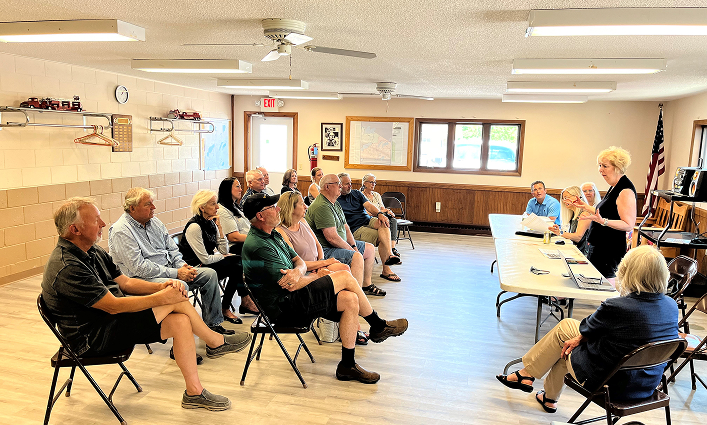
Holding a community meeting gives residents an opportunity to come together and listen to the reasons why a development is being considered and to offer their feedback. Exercises like asking what type and style of housing is preferred by attendees can be very insightful and ultimately useful by planners and developers.
By identifying what your community members will support and what they have concerns with, you can promote a positive framework to move together for a successful and mutually beneficial project.
Explore these online community meeting and group decision-making resources:
kEY resource: Using a stakeholder matrix to guide outreach
A stakeholder matrix is a valuable tool for building community support. It helps identify and organize key individuals such as decision-makers, influencers, and potential opponents who can impact your initiative.
By identifying the “centers of influence” (COIs) who hold formal or informal power–such as elected officials, business leaders, neighborhood groups, or vocal opponents–you can tailor your engagement strategies to build trust and address concerns early. Special attention should be given to individuals or groups who have the ability to delay or derail a project.
- Understanding the priorities and motivations of stakeholders allows you to proactively align interests, foster collaboration, and reduce friction throughout the planning process.
- This early stage requires deep listening, honest dialogue, and a willingness to bring tensions to the surface.
- By identifying common goals and addressing concerns up front, communities can move forward with clarity, unity, and purpose.
Planning for successful rural housing development
Local governments shape the future of rural housing. Without a clear plan, communities risk missed opportunities, wasted resources, and public pushback. Strategic planning helps leaders pinpoint needs, set priorities, and coordinate efforts.
Good planning is more than zoning. It builds a roadmap that reflects community values, attracts investment, and delivers practical, lasting solutions. And it starts with listening. When housing reflects what residents truly care about, it earns trust, drives action, and builds momentum.
Resources: Planning for Rural Housing
Connecting Wisconsin’s rural communities to housing planning support
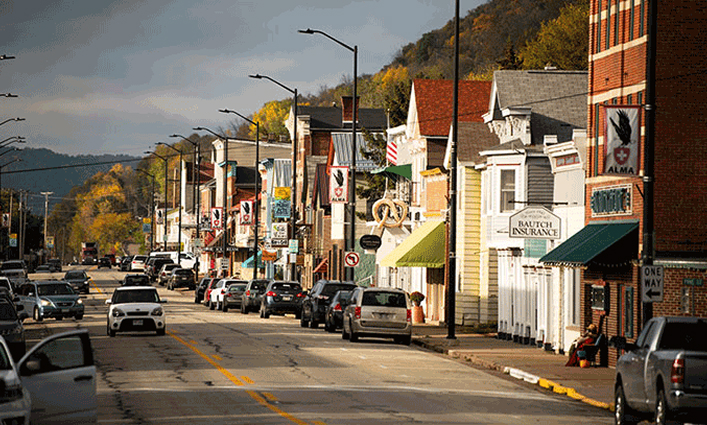
Rural communities in Wisconsin can access housing planning assistance through the Main Street and Connect Communities Programs and from Design Wisconsin. These programs offer valuable support for housing initiatives when integrated into broader community revitalization efforts.
- The Main Street and Connect Communities Programs, offered by WEDC, support downtown development using the Main Street Approach®, which focuses on organization, design, economic vitality, and promotion. Though centered on commercial districts, the programs help communities align stakeholders, improve infrastructure, and create vibrant spaces—conditions that can support housing development as part of a comprehensive revitalization plan. Interested communities can apply through the WEDC website to access technical assistance and resources.
- Design Wisconsin, led by the UW-Extension, provides immersive, multiday Community Design Charrettes that engage residents in shaping a shared vision for their community’s future. These high-energy workshops, facilitated by professional volunteers, help communities identify priorities and strategies, including housing, within the context of overall growth and development. Communities can request a visit through the Design Wisconsin program page
These programs emphasize collaboration, local engagement, and strategic planning to help rural areas shape sustainable housing solutions.
Planning for a comprehensive housing studY
A housing study is a strategic tool that helps local leaders assess current housing conditions and plan for future needs. It guides decisions related to development, affordability, infrastructure, and investment, and is often requested by developers to evaluate the potential success of proposed projects.
To begin, communities should conduct a full-scale analysis that includes an inventory of existing housing stock, demographic and economic trends, affordability metrics, market conditions, future demand projections, policy and zoning reviews, and strategic development recommendations. Effective studies combine quantitative data–such as supply, demand, and affordability–with qualitative insights from stakeholder interviews, surveys, and focus groups to understand resident perspectives and preferences.
This comprehensive approach provides a strong foundation for housing-related decisions. It helps communities determine what type of housing is needed, where it should be built, and whom it should serve. Housing studies should be updated at least every five years, or more frequently if significant changes occur in the housing market.
Together, the comprehensive housing study and stakeholder matrix provide the analytical and relational foundation for successful rural housing development. They ensure that planning is both data-informed and community-driven.
Key Resource: Comprehensive Housing Study Worksheet
The Office of Rural Prosperity’s Comprehensive Housing Study Worksheet is a practical guide for rural housing assessments. This worksheet outlines essential data categories from demographics to market trends, helping communities understand housing needs, gaps, and opportunities for strategic development.
Success Story: Data-Driven Development in St. Croix County’s Housing Study

In 2024, St. Croix County faced a housing crossroads: rising costs, rapid growth, and limited options for residents across income levels. The county’s first-ever comprehensive housing study, led by the St. Croix Economic Development Corporation, became a blueprint for action.
With clear data and community-driven insights, the county launched targeted initiatives including identifying infill sites, leveraging Tax Increment Financing (TIF), and forming a countywide Housing Task Force. Municipal snapshots empowered towns and villages to tailor solutions, while employers and developers joined forces to explore alternative construction and funding models.
The result is a rural housing toolkit that’s proactive, collaborative, and scalable. St. Croix County turned a challenge into a catalyst, proving that rural communities can lead the way in smart, inclusive housing development. Explore the full housing study
Comprehensive housing study: Where to begin
Start with a full-scale analysis of your community’s housing landscape. This includes:
- Inventory of existing housing stock
- Demographic and economic trends
- Affordability metrics and market conditions
- Projections for future housing demand
- Policy and zoning reviews
- Strategic recommendations for development
Success Story: Kewaunee County Housing Study
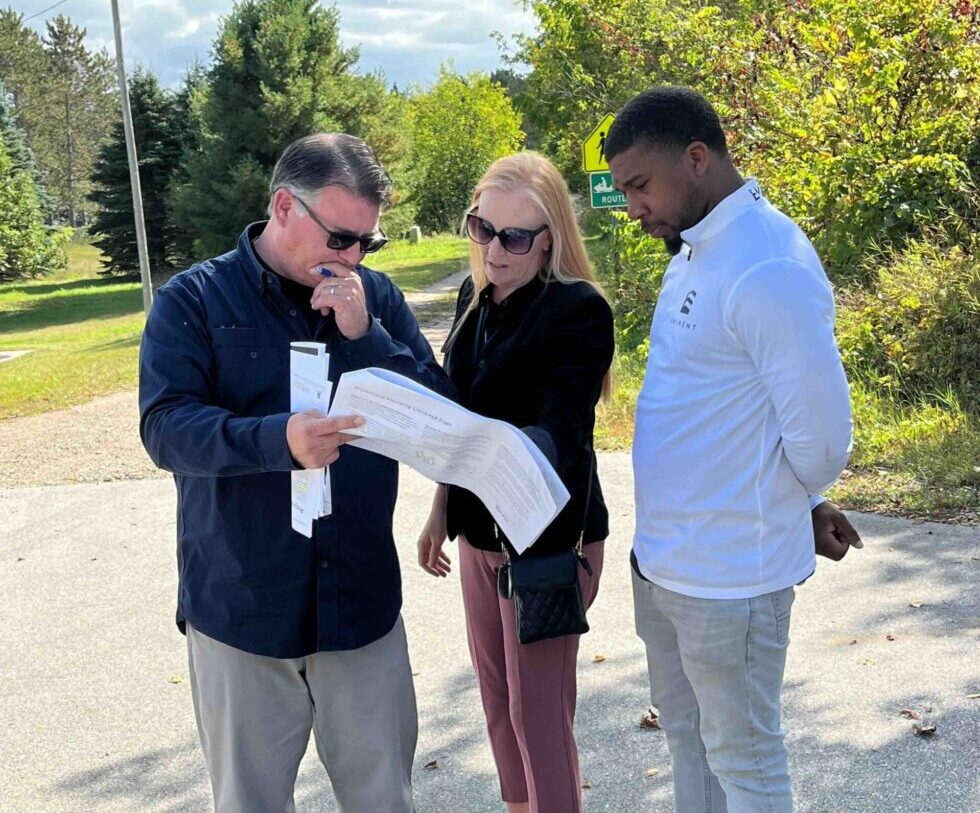
Kewaunee County is a scenic region known for its rich agricultural heritage and strong manufacturing base. As part of the Office of Rural Prosperity’s Thrive Rural Wisconsin initiative, the Kewaunee County Economic Development Corporation (KCEDC) has completed Phase 1 of a comprehensive housing study. This foundational work provides critical insights into the county’s current housing landscape, demographic trends, and future needs.
Phase 2 of the comprehensive housing plan began in fall 2025 and will deliver targeted site selection recommendations and identify the most suitable housing types to meet community demand. This phase will help KCEDC and its partners attract developers and guide smart growth across the county. The Kewaunee County Housing Study showcases the kind of data and analysis that housing developers rely on when evaluating rural opportunities.
Read the full Kewaunee Comprehensive Housing Study here
Other planning methods
The following planning tools and strategies help local leaders align development with community needs, attract investment, and ensure long-term success.
Other planning methods
A housing development strategy is a targeted, action-oriented plan that outlines how a community will meet its housing needs through coordinated development efforts. It’s often used to guide long-term investment decisions, attract developers, and align housing initiatives with broader community goals.
Create a road map that outlines:
- Priority housing types and target populations
- Potential development sites
- Funding sources and incentives
- Short- and long-term goals
This strategy helps guide decisions and attract developers aligned with community needs.
Key Resource: Developing a Local housing strategy
Local Housing Solutions – Key steps to develop a local housing strategy : Offers a step-by-step guide for creating a housing strategy, including stakeholder engagement, SWOT (strengths, weaknesses, opportunities, and threats) analysis, and aligning housing with transportation and economic development goals.
Zoning, permitting and land use review
A zoning and land use review is a strategic assessment of local regulations, land availability, and development patterns to ensure housing growth aligns with community goals and physical capacity. This process helps identify regulatory barriers, uncover new opportunities, and guide updates that support diverse, affordable, and sustainable housing options. When thoughtfully applied, modern zoning can unlock development potential while preserving the unique character of rural communities.
Update local codes to support housing goals:
Some potential considerations for local municipalities include, but are not limited to:
- Enable mixed-use and higher-density development
- Allow accessory dwelling units (ADUs) and infill housing
- Explore cottage court-style developments, with small, detached homes around a shared courtyard
- Streamline permitting for affordable projects
Resources
Permitting review
Prior to launching a housing development project, communities should conduct a review of the permitting regulations and timelines to ensure that each step of the process is documented and easily accessible by developers. You should have at the ready a FAQ sheet for distribution and a link on your government website that articulates not only what is required, but also approximate timelines for obtaining the permits.
Permitting checklist for housing initiatives:
Local municipalities (towns, villages, or cities) typically oversee zoning and basic construction approvals. Common permits include:
- Zoning permit: Confirms that your project complies with local land-use regulations
- Building permit: Authorizes construction based on approved plans and building codes
- Occupancy permit: Required before residents can move in, verifying safety and code compliance
- Driveway/access permit: Needed if you’re creating a new access point to a public road
- Well and septic approval: In areas without municipal water/sewer, local health departments may regulate private systems.
Counties often manage broader infrastructure and environmental concerns. You may need:
- Environmental health permit: For septic systems, wells, or other sanitation infrastructure
- Floodplain development permit: If your site is near a flood-prone area
- Stormwater management permit: Required for projects that alter drainage or runoff patterns
- Land division/subdivision approval: If you’re splitting or combining parcels of land
State agencies regulate larger-scale impacts and specialized systems. Depending on your location and project scope, you might need:
- State building code compliance: Ensures your plans meet statewide standards
- Environmental Impact Assessment (EIA): For projects with significant ecological or community effects
- State Department of Natural Resources (DNR) permits: If your project affects wetlands, forests, or wildlife habitats
- State Department of Transportation permits: For access to state highways or utility crossings
- Historic preservation review: If your site is near protected landmarks or culturally significant areas
Infrastructure and utility planning
Infrastructure and utility planning is a proactive evaluation of a community’s physical systems to ensure they can support new housing development. This process identifies gaps in essential services such as water, sewer, roads, and broadband. It also guides strategic investments that make housing feasible, connected, and sustainable. Because infrastructure limitations can delay or derail projects, early planning is critical to unlocking development potential and supporting long-term growth.
Ensure readiness of essential services:
- Water and sewer systems
- Road access and maintenance
- Broadband and energy infrastructure
Key Resource: Wisconsin’s Infrastructure Access Loan
Administered by the Wisconsin Housing and Economic Development Authority (WHEDA), the Infrastructure Access Loan program provides low-interest financing to help municipalities and developers cover the cost of public infrastructure tied to housing development. It is especially valuable for communities with fewer than 10,000 residents or those prioritizing senior housing. Eligible projects may include roads, water and sewer systems, and other critical infrastructure that supports new or expanded housing.
Success Story: Building Opportunity — Lac Courte Oreilles Tribe Invests in Workforce Housing and Infrastructure
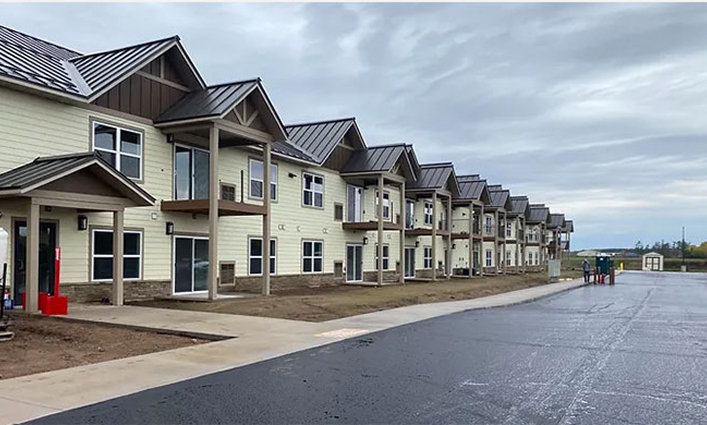
Faced with pandemic-driven job losses and a long-standing housing shortage, the Lac Courte Oreilles Band of Lake Superior Chippewa launched transformative investments in workforce housing and infrastructure. The Tribe developed a 40-unit housing complex just 1.5 miles from Sevenwinds Casino, one of the region’s largest employers. This strategic location ensures that Tribal members and other local workers have access to stable, affordable housing close to job opportunities.
The project was made possible by up to $4.6 million in support from a Workforce Innovation Grant, a joint initiative of WEDC and the Department of Workforce Development. With these funds, the Tribe made sewer system upgrades, including a new lift station and an extension to service the apartment complex, and installed 4 miles of water main in a loop across previously undevelopable land, unlocking new potential for housing, health care, and commercial development.
Completed in fall 2023, the housing complex quickly drew 153 applicants, underscoring the urgent demand. All residents are employed, with jobs spanning law enforcement, health care, hospitality, education, and Tribal enterprises. The development applies smart growth principles, ensuring that housing is not only affordable but also sustainable and community centered.
The water main expansion also serves the site of the new Tribal health clinic, which opened in June 2025 and opens the door for additional housing, retail, and tourism development along a key corridor between Hayward and the reservation. This initiative reflects the Tribe’s deep commitment to self-determination, economic development, and community well-being. It also serves as a model for how Tribal nations and rural communities can leverage state partnerships and targeted funding to address urgent housing needs. Read more on this project here
Read more about Workforce Innovation Grant recipients
Evaluating sites and communities for new development

Selecting the right site and community is essential to successful rural housing. This involves assessing physical conditions such as topography, utility access, environmental constraints, and proximity to schools, health care, and employment. Equally important are community dynamics, including workforce needs, transportation options, and social infrastructure.
Effective planning also depends on understanding local readiness. This includes zoning compatibility, alignment with comprehensive plans, and early engagement with local leaders and stakeholders. Building on this groundwork, communities can then pursue targeted housing strategies such as affordable, senior, and workforce housing to meet specific local needs.
Affordable housing
Affordable housing refers to residential units that are priced so that low- to moderate-income households can live in them without spending more than 30 percent of their income on housing costs, including rent or mortgage and utilities. This affordability threshold is widely used by housing agencies and planners to determine whether a home is financially sustainable for its occupants. Affordable housing can include apartments, single-family homes, senior housing, and supportive housing for people with disabilities. In rural communities, it plays a vital role in retaining workforce, supporting aging populations, and ensuring economic stability.
Success Story: Collaborative Solutions to Rural Housing Shortages in River Falls
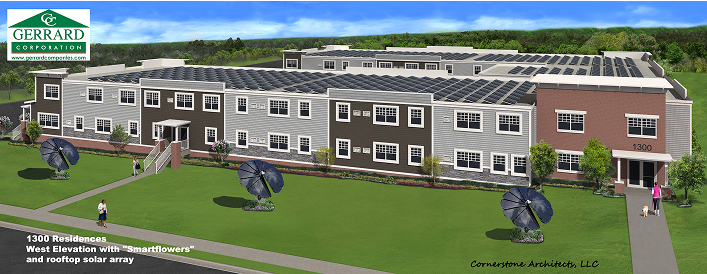
In River Falls, a bold, community-driven initiative is addressing rural housing shortages through the development of the 1300 Residences, a 50-unit affordable apartment complex in the city’s downtown. Designed to serve working families and individuals with limited housing options, the project emerged from a multisector collaboration involving the West Central Wisconsin Community Action Agency (West CAP), Gerrard Development, the city of River Falls, the University of Wisconsin-River Falls, and the West Central Wisconsin Regional Planning Commission. These partners conducted a regional housing study, identified critical gaps, and aligned resources to support the development.
The project was financed through a layered mix of public and private funding, including WHEDA Section 42 Low-Income Housing Tax Credits, WHEDA construction and permanent financing, WHEDA Capital Magnet Fund, WHEDA Housing Trust Fund, energy efficiency incentives, and local Tax Increment Financing (TIF). The city of River Falls also contributed through zoning updates, infrastructure improvements, and transit accommodations to enhance walkability and accessibility.
Sustainability was a core focus, with the building incorporating solar panels, heat pumps, and high-efficiency insulation, generating approximately 70% of its energy on-site. These features not only reduce operating costs but also support long-term environmental goals.
River Falls’ success demonstrates how strategic planning, cross-sector collaboration, and targeted investment can deliver impactful housing solutions tailored to rural communities. The project has earned national recognition, including the Charles L. Edson Tax Credit Excellence Award and a Wisconsin Economic Development Association award, and serves as a replicable model for other regions seeking to revitalize their housing stock and support inclusive growth.
Workforce housing
Workforce housing serves middle-income earners such as teachers, health care workers, and service staff who don’t qualify for traditional affordable housing but still struggle with rising costs. Typically targeting households earning from 60% to 120% of the area median income, these homes are priced below market rates and are often supported by local incentives or employer partnerships. Workforce housing helps communities retain essential workers, reduce commute times, and strengthen local economies.
WEDC and workforce housing
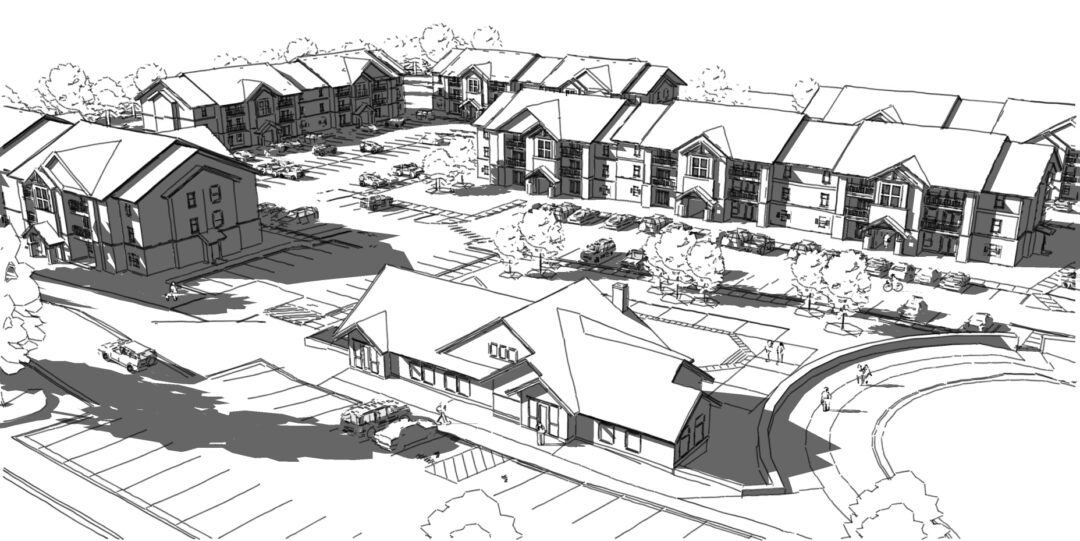
WEDC plays a key role in helping rural communities address workforce housing shortages through strategic grant programs and public-private partnerships. Programs like the Community Development Investment (CDI) and Idle Sites Redevelopment grants provide funding for projects that convert underused buildings such as motels, schools, and commercial spaces into affordable housing for local workers.
Examples include:
- Shawano: A second-story renovation project supported by a $178,000 WEDC Community Development Investment Grant added housing above a historic downtown storefront, helping local employees live closer to work.
- Rhinelander: A former motel was transformed into a 31-unit apartment building for veterans, seniors, and seasonal workers with help from a $228,000 WEDC Community Development Investment Grant
- Elkhart Lake: A $200,000 WEDC Idle Sites Redevelopment grant is helping prepare land for two housing developments, including 50 affordable units for seasonal workers and veterans.
Layering WEDC and WHEDA Support
WEDC grants prepare sites and repurpose buildings, while WHEDA’s Rural Affordable Workforce Housing Initiative (RAWFHI) tackles financing and policy barriers. Together, they offer rural communities a strategy to develop affordable workforce housing from the ground up.
Success Story: Workforce Housing, Marinette County
Thrive Rural Wisconsin is designed to help rural and tribal communities bring together local leadership, define shared goals, and access the resources they need to make lasting change.
The initiative provides project management and technical assistance for various efforts connected to community improvement, including rural housing.
This video showcases how the Thrive Rural Wisconsin program has supported the Village of Wausaukee in Marinette County as it works to transform a former school site into much‑needed housing. Sara Pullen, Village Administrator, and Autumn Timlin, Marinette County Development & Tourism Director, share how this project would not have been possible without the resources and guidance provided through Thrive Rural Wisconsin.
Senior housing
Senior housing is designed to meet the unique needs of older adults, typically those age 55 and older. These residences prioritize accessibility, safety, and comfort, often featuring single-level layouts, grab bars, wider doorways, nonslip flooring, and emergency response systems. Senior housing options range from independent living communities to assisted living facilities and supportive housing for people with medical or mobility challenges. Many developments include on-site or nearby services such as meal programs, transportation, housekeeping, and personal care assistance. Proximity to health care providers, pharmacies, grocery stores, and social amenities is a key consideration in site selection.
Importantly, senior housing helps address the broader housing crisis, not just the needs of older adults. By creating dedicated housing for seniors, communities can free up larger homes that may no longer suit aging residents but are ideal for families. This improves housing circulation and makes more efficient use of existing stock. Senior housing also reduces pressure on emergency services and long-term care facilities by offering safer, more appropriate living environments. In rural areas, these developments help older residents stay connected to family and community while supporting local economies and workforce retention.
Success Story: Planning for senior housing in Bayfield County
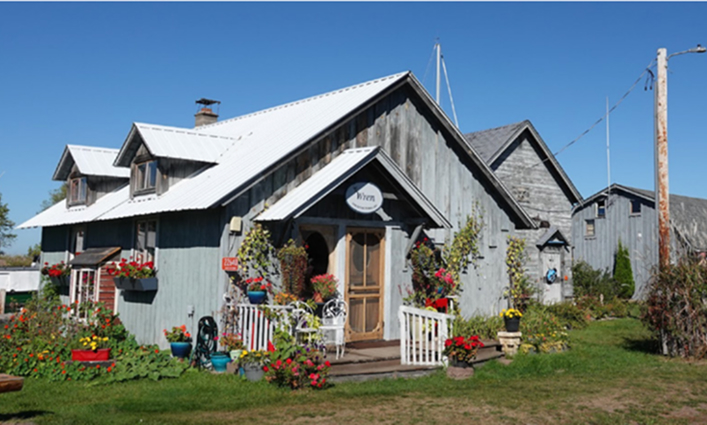
The village of Cornucopia, located in the town of Bell in Bayfield County, is leading a transformative effort to meet the needs of its aging population through the development of accessible senior housing. With technical assistance from the Office of Rural Prosperity’s Thrive Rural Wisconsin Program, capacity-building grants from WEDC, and community visioning support from the UW-Extension, the project is designed to help older adults age in place while staying connected to essential services, health care, and community life.
In Bayfield County, one of Wisconsin’s oldest counties by median age, more than one-third of residents are age 65 or older, making senior housing a critical priority. Cornucopia, a remote lakeside community of about 100 residents and the western gateway to the Apostle Islands National Lakeshore, reflects the challenges and opportunities facing rural areas with aging populations. It is a strong example of the unmet needs in communities where seniors often lack options to downsize, especially as maintaining single-family homes becomes increasingly difficult with age.
The Senior Housing Initiative, led by the Bayfield County Housing Authority in collaboration with the UW-Extension and a local senior advocacy group, demonstrates the power of grassroots leadership and regional partnerships. By creating housing tailored to older adults, the project aims to improve quality of life, support independence, and strengthen community vitality by freeing up larger homes for families. Cornucopia’s approach offers a compelling model for how small rural communities can respond to demographic shifts with smart design, inclusive planning, and a shared commitment to dignity and aging in place.


